Most logistics companies can trace every load on the road and almost nothing in sales. We bring the same visibility to how you win bids, follow quotes and keep each shipper's freight.
Most of the sales system lives in a few people's heads.
The owner
Still the one the big shippers call when a lane goes wrong.
A few account managers
They know the shippers' traffic managers. Nobody else does.
Load boards and bid invitations
Where most new freight still comes from.
The TMS
Years of loads, rates and lanes that nobody reads for sales.
The service is real. What is missing is a record of each shipper, and a way to reach the shippers who have never sent you a load.
Why now
The freight is still moving. The lanes changed.
A long, soft freight market has squeezed margins and pushed shippers to rebid more often and switch providers faster. Tariffs and nearshoring are redrawing lanes, with more freight crossing to and from Mexico and less arriving the old way. Shippers re-sourcing that freight invite the providers they already know. The ones who reach those procurement teams before the bid win the lanes. The ones waiting on referrals see the award after it is made.
02
Where it leaks
How the freight is bought decides where the revenue leaks.
Most providers sell in more than one of these ways. Each one loses revenue in a different place.
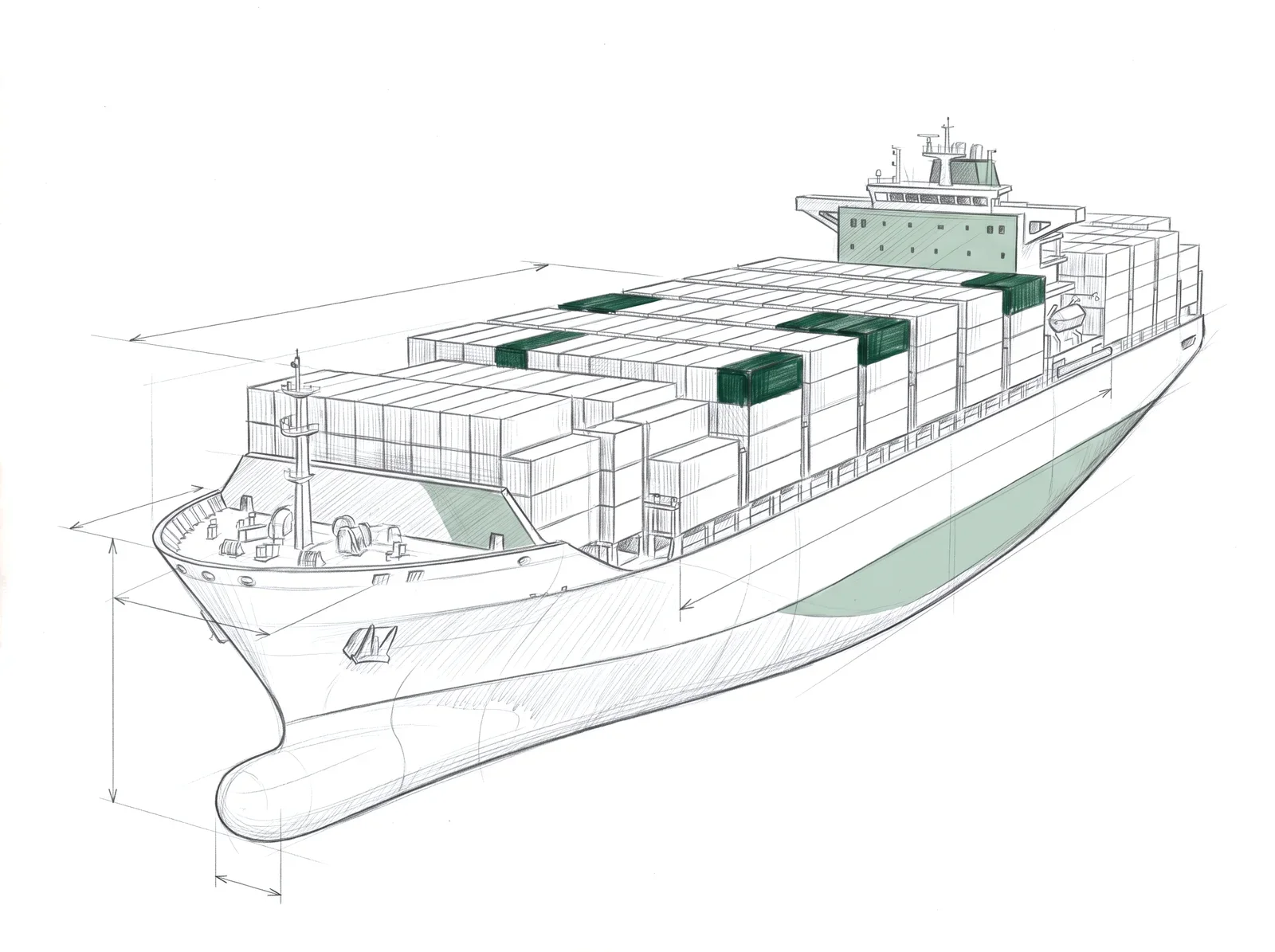
Contract freight and lane awards
Won in the bid
A shipper's procurement team runs a bid event, awards lanes by rate and service, and writes the winners into the routing guide.
Where it leaks
Bids answered without knowing which lanes to win. Lanes awarded on paper that the routing guide sends to someone else. Lost lanes nobody asks about.
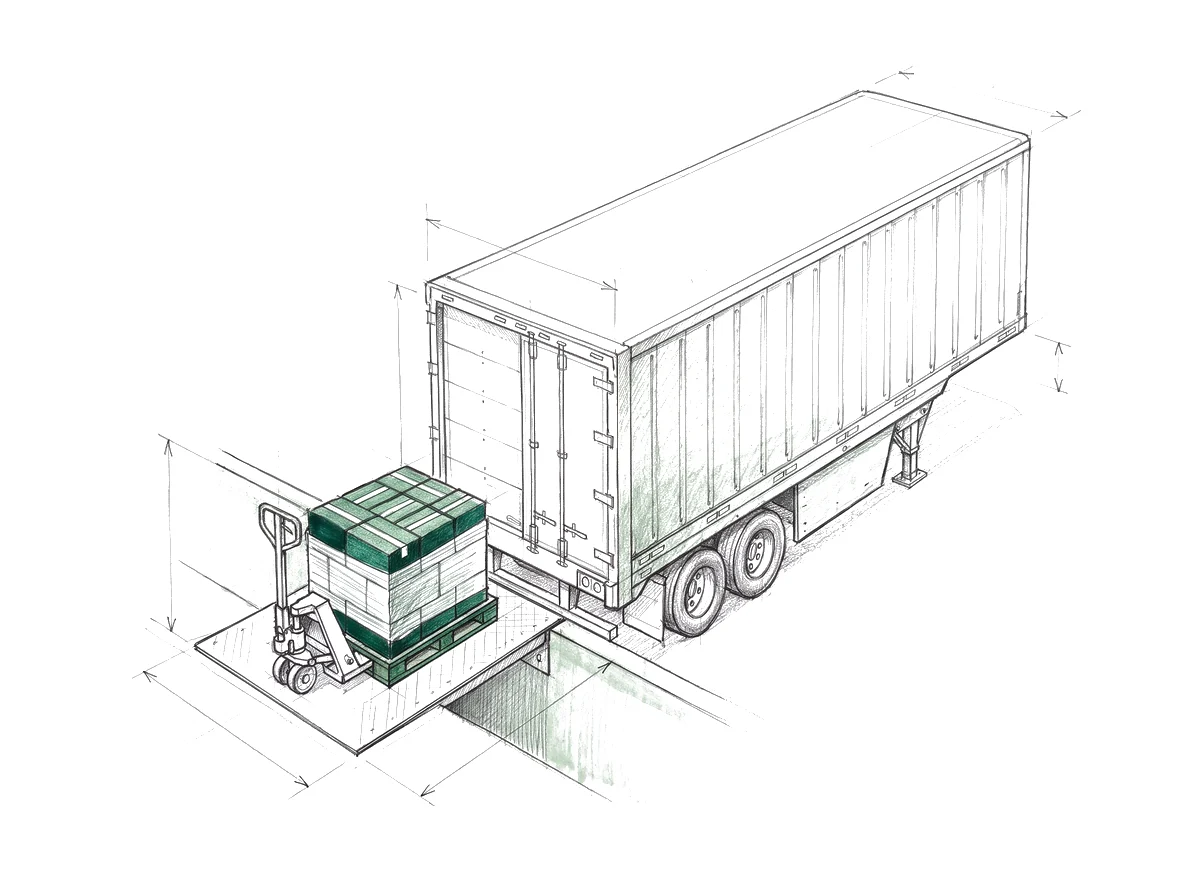
Brokerage and spot freight
Bought on the spot
A load is emailed or posted, providers send a rate back fast, and the one who answers first at a fair price moves it.
Where it leaks
Spot quotes that are never logged or followed. Shippers who send spot freight every week and never hear a contract offer.
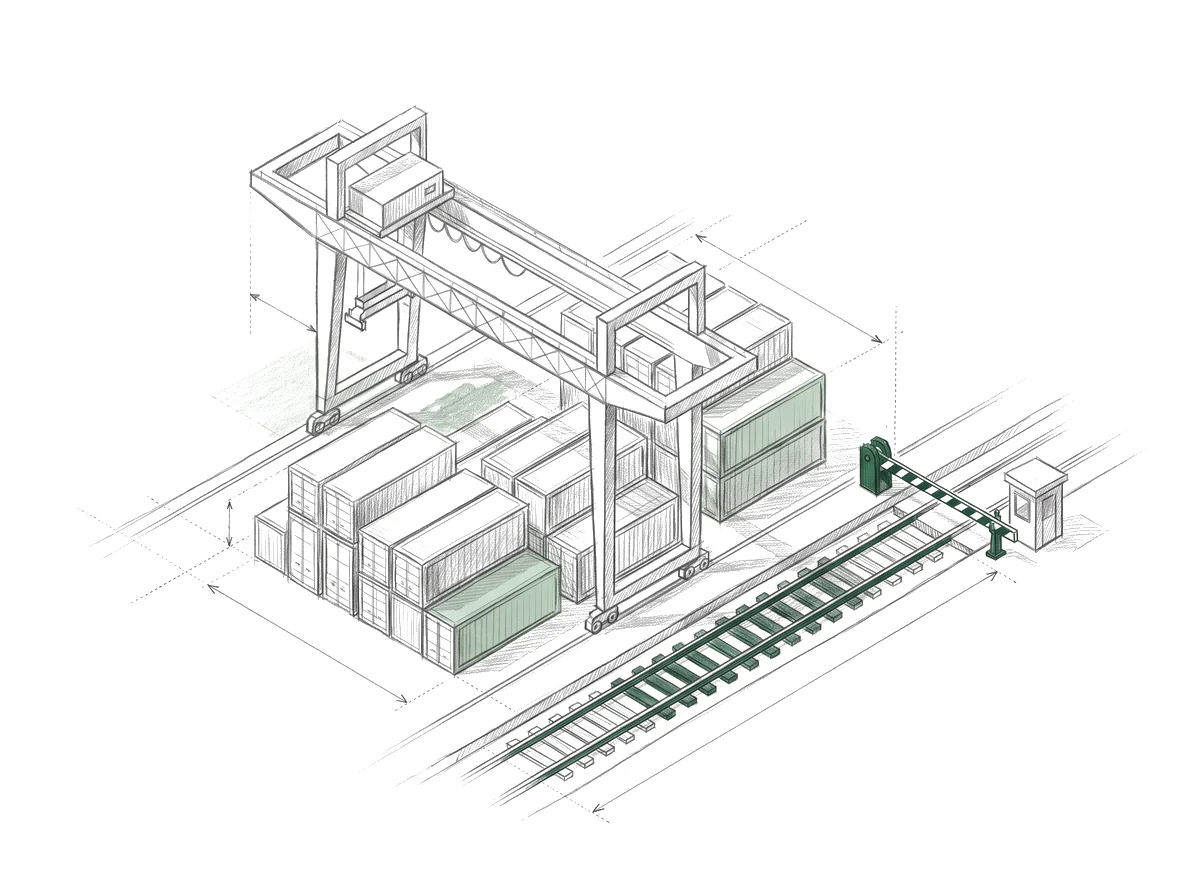
Contract warehousing and fulfillment
Signed for the building
Operations, finance and procurement compare providers over site visits and pricing rounds, then sign a long contract.
Where it leaks
Evaluations that go quiet after the site visit. Renewals priced without anyone knowing what the account earns.
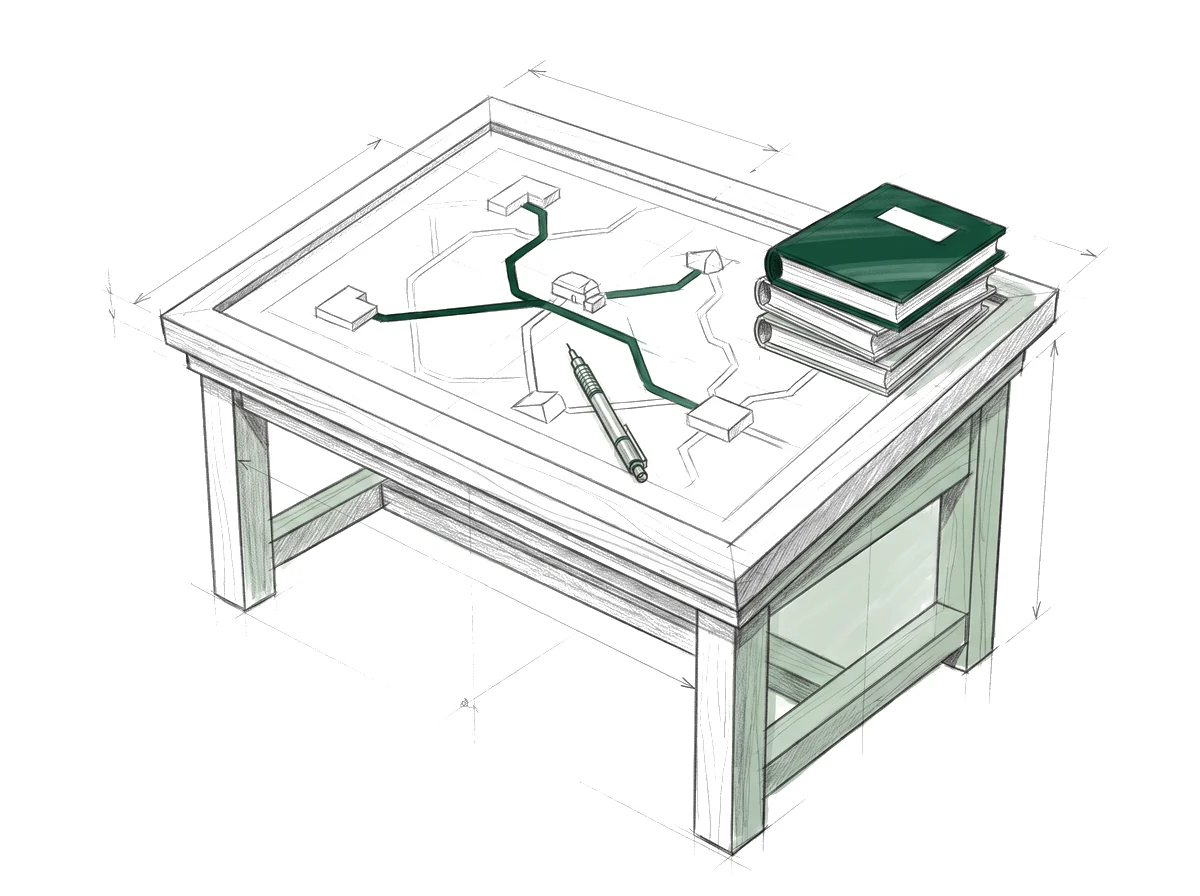
Dedicated and managed accounts
Kept through the review
The shipper stays on service, and the account is reviewed at a quarterly business review against a scorecard.
Where it leaks
Freight that drifts once the shipper adds a second provider. Reviews spent defending the scorecard instead of asking for the next lane.
Not sure which of these is yours? We'll tell you on the first call.
Four places the revenue sits. Each one gets its own system.
Every leak shows up somewhere in your records. We build the system that closes it, and your team runs it.
01Found in: shipment history by shipper and lane
Shippers that look like your best accounts
Companies with the same freight, lanes and requirements as your best shippers, reached before their next bid.
Target shippersFrom your best accounts
Food processor, GeorgiaSame reefer lanes
Building products, OhioBid opens in spring
Medical devices, TennesseeTraffic manager found
Paper mill, WisconsinNo contact yet
What we build
A target list drawn from your most profitable shippers, with bid calendars and outreach tracked in the CRM.
02Found in: bid files, spot quote logs and tender acceptance
Bids and quotes that never became freight
Spot quotes nobody followed, and lanes awarded in the bid that the routing guide sends elsewhere.
Bid: Midwest outbound lanesAward to freight
Bid submitted
Lanes awarded
In the routing guide
Tenders accepted and moving
Volume checked at the review
What we build
A follow-up cadence on every bid and quote, a check that awarded lanes turn into loads, and a reason logged for every lost lane.
03Found in: tender and load history by account
Shippers moving freight away
Accounts tendering less, or adding a second provider, long before the renewal.
Shipper healthToday
Consumer goods shipper
Tenders droppingSecond carrier added
What we build
An alert when a shipper's tenders change, with a named owner and a call plan.
04Found in: shipment history and the shipper's last bid
More of each shipper's freight
A shipper gives you a few lanes and buys the rest from other providers: other regions, drayage, cross-border, storage and the spot loads that never reach a bid. Each one moves far more freight than your team ever sees.
What we build
An account plan for every major shipper: the lanes and services they buy, who carries them today, when they next go to bid, and a named person who reaches their procurement and traffic teams before the award.
Account: beverage shipper, DallasTheir freight
Outbound, Texas to SoutheastAwarded to you
Port drayage, HoustonAnother provider
Cross-border to MonterreyBidding now: call procurement
Seasonal overflow storageSent to another warehouse
Expedited and spot loadsNot in any bid yet
This is revenue operations: the pipeline, routines and reporting behind every sale, set up in HubSpot or the CRM you already use, and run by your own team.
Many logistics companies in this range are run by the person who built them, and the largest shippers stay because of that person. When the owner steps back, a buyer, an heir or a new president asks the same question: will the shippers stay when the people leave? A shipper base that is recorded, reviewed and run by a team answers it. One that lives in the owner's phone is discounted.
Planning a sale or a handover in the next few years? Start with the shipper record.
Rate gets you into the bid. Shippers award lanes on service, coverage and who they already trust, then route freight to the providers they hear from. We make sure your team is in the bid early, follows every quote, and checks that awarded lanes turn into loads.
Our business runs on relationships. Why change that?+
We don't replace them. We record them, follow up on them, and add the shippers your team hasn't met yet. The relationships stay with your people, and for the first time they also belong to the company.
My account managers live in the TMS. They won't use a CRM.+
Usually because it asks them for work and gives nothing back. We connect it to the TMS where we can, set it up so it prepares their calls and reviews, and run the weekly pipeline meeting until it is routine.
Our data is a mess.+
Everyone's is. A shipment history, a rate sheet and a bid folder are enough to start. Cleaning what matters is part of the work.
Shippers buy through procurement portals now.+
The portal runs the bid. The traffic and operations people still decide who gets invited and who keeps the freight. We list who those people are at each shipper and when their next bid opens, so you are invited instead of finding out after the award.
We depend on a few big shippers.+
Then each one is worth an account plan, and the next few accounts are worth building on purpose. We work both: more of the freight each large shipper moves, and new shippers that look like them.
Will this replace my sales team?+
No. It makes the team you have measurable and better supported. New people are added only when the freight calls for them.
A second use for the same records
A second source of income from records you already keep. In logistics and supply chain, that can mean licensing shipment exceptions, billing disputes and claims, from the first message to the settlement.