01Found in: your best customers in the ERP
Buyers who don't know you exist
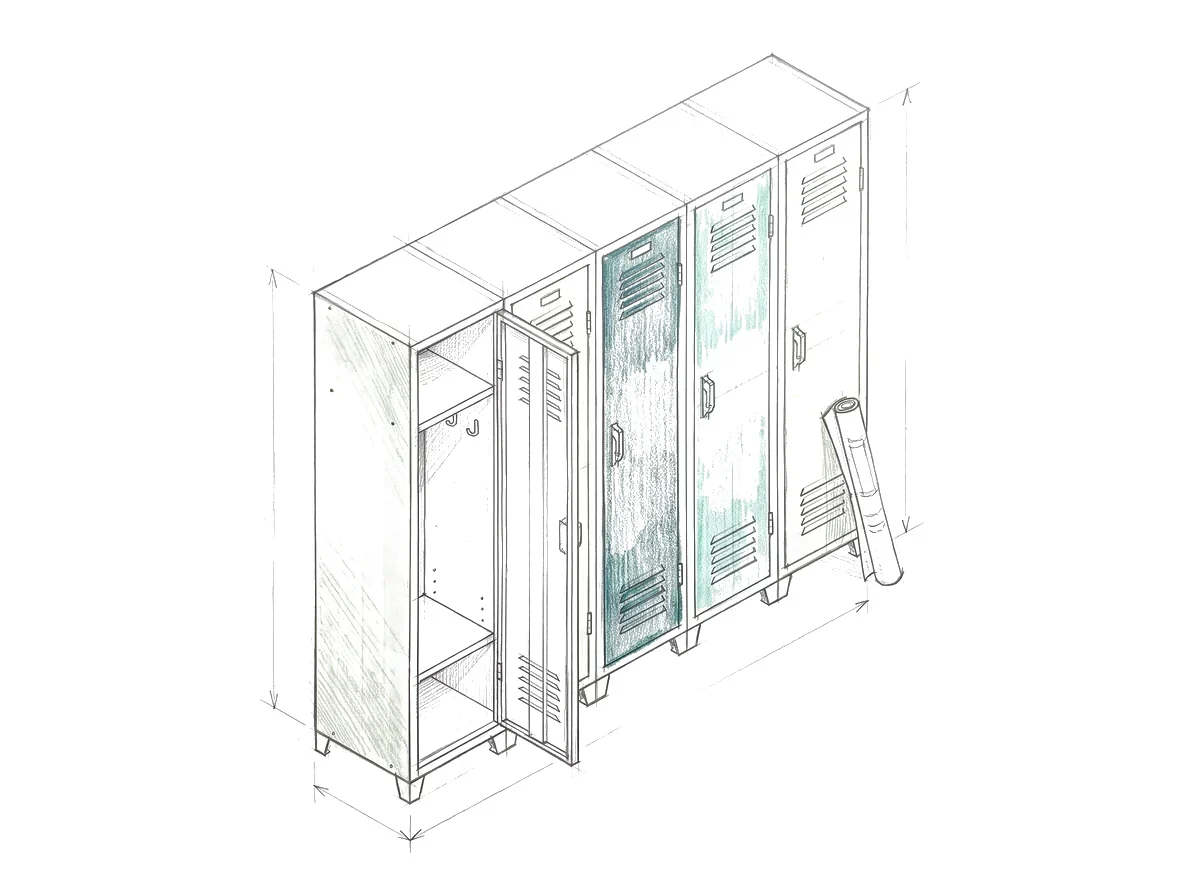
Engineers, architects and buyers at companies your team has never reached.
What we build
A target list drawn from your best customers, with outreach tracked in the CRM.
Manufacturing
Most manufacturers measure every machine on the floor and almost nothing in sales. We bring the same discipline to how you find buyers, follow up on quotes and win bids.
01
The situation
The owner
Still the best salesperson, and the one the big buyers call.
A few reps
They know the buyers by name. Nobody else does.
Trade shows and the catalogue
Where most new names still come from.
The ERP
Years of quotes and orders that nobody reads.
The relationships work. What is missing is a record of them, and a way to reach the buyers nobody has met.
Why now
Tariffs and buy-local procurement rules have changed who buys from whom. Work that went to a foreign supplier last year is being sourced again this year, and buyers re-sourcing it choose among the suppliers they already know. The manufacturers who reach those buyers first take the work. The ones waiting on referrals hear about it after the order is placed. And customers across the border who bought from you for years may not this year. That revenue has to be replaced at home, faster than it is leaving.
02
Where it leaks
Most companies sell in more than one of these ways. Each one loses revenue in a different place.
Contract manufacturing
Engineers and buyers send drawings and RFQs, and the job goes to the supplier they trust to hit the tolerance and the date.
Where it leaks
Quotes that are sent and never followed. Buyers who would send the drawing if they knew the capability existed.
Building and institutional products
Architects and engineers name a product in the specification. Contractors and public buyers then buy it through bids and tenders.
Where it leaks
Specifications written by people who have never seen your product. Tenders found too late. "Or equivalent" clauses that hand the order to a competitor.
Product lines with a channel
Distributors carry your line next to thousands of others and sell it from the catalogue, to customers you never meet.
Where it leaks
Nobody at the distributor knows the product well enough to sell it. Configurations get quoted wrong, orders come back with errors, and the customer never hears why your product is the better choice.
Components and consumables on contract
A buyer qualifies the supplier once, then orders for years while nobody revisits the decision.
Where it leaks
Accounts that order less each quarter, or move one product line elsewhere, long before anyone calls.
Not sure which of these is yours? We'll tell you on the first call.
Request a Blueprint CallEach of these leaks leaves a trace in your records. That is where the system starts.
03
The system
Every leak shows up somewhere in your records. We build the system that closes it, and your team runs it.
01Found in: your best customers in the ERP
Engineers, architects and buyers at companies your team has never reached.
What we build
A target list drawn from your best customers, with outreach tracked in the CRM.
02Found in: open quotes and tender submissions
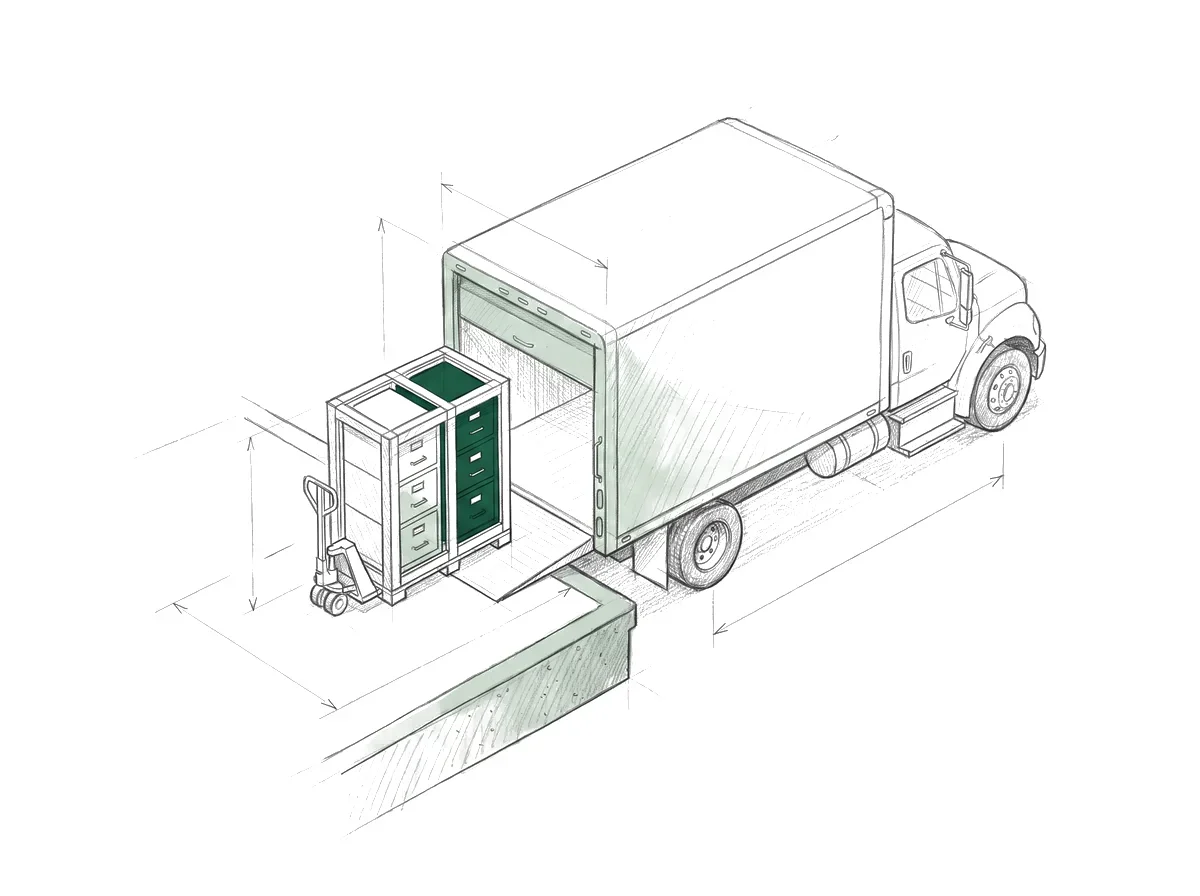
Sent, then never followed to a decision. Often the largest ones.
What we build
A follow-up cadence on every quote, and a reason logged for every loss.
03Found in: order history by account
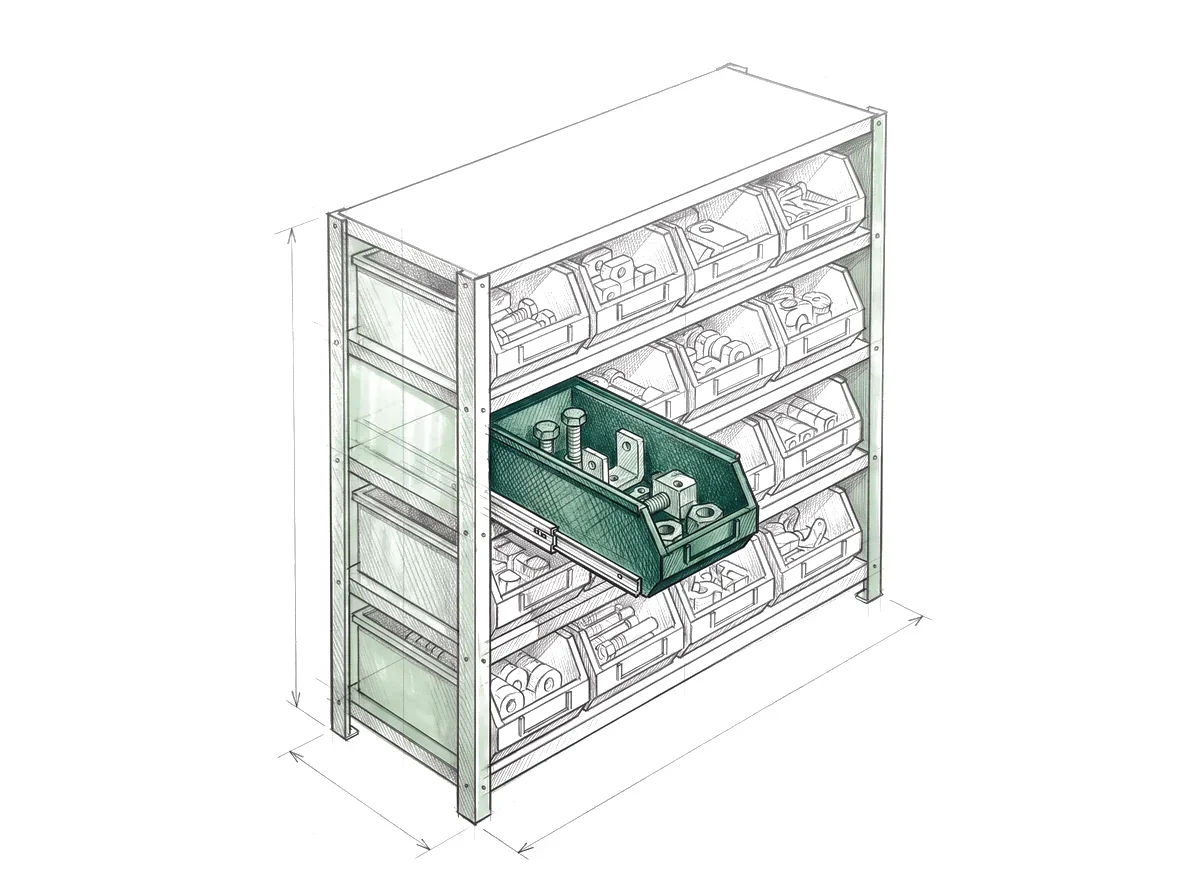
Orders that slowed or narrowed without anyone noticing.
What we build
An alert when an account changes, with a named owner and a call plan.
04Found in: won projects by contractor and architect
A general contractor or architect firm uses you on one project and buys from someone else on the next, for standard products and for custom work you could have made. Each one runs far more projects than your team ever hears about.
What we build
Manufacturer-led sales: an account plan for every contractor and architect firm, and your own people selling to them directly, with distributors kept for stock and delivery where they add value.
This is revenue operations: the pipeline, routines and reporting behind every sale, set up in HubSpot or the CRM you already use, and run by your own team.
What it looks like
Every quote, bid and account in one place, with the next step and the person who owns it. Set up in HubSpot or the CRM you already use.
See where your projects and accounts stand, on your own records.
Request a Blueprint Call04
How we start
No new software first. We read what is there, answer the questions below with you, and choose the first piece of work from what we find.
aWhat we look at first
| Quote follow-up | After a quote goes out, who follows it, and how many end in a yes or a no? |
|---|---|
| Wins and losses | Which jobs and buyers do you win, and who takes the rest? |
| Coverage | Which architects, engineers and dealers outside your home market have ever specified or sold you? |
| Bids and tenders | How many tenders did you see last year too late to bid well? |
| Account health | Which customers order less than they did two years ago, and has anyone asked why? |
| The channel | Which orders come through distributors, and how many of them come back with errors, changes or a lower margin? |
| The sales team | How do your reps spend their week, and what is each of them measured on? |
| The owner's share | If you stepped away for three months, what would happen to new orders? |
bThe records we read
We work in the systems you already have.
Read-only access, under a data agreement that names what we touch. No new software unless the old one is what's holding revenue back.
cWhere we usually start
Where every engagement starts
Your quote, order and tender history shows which buyers to look for, and which open quotes to chase first.
Read moreThe leads you already get
Most manufacturers lose quotes and bids to slow follow-up, not to price.
Read moreThe customers you don't have yet
Buyers and specifiers who look like your best customers, found by product, process, project type and region.
Read moreBring last year's quotes and orders. We'll show you where the revenue went.
05
The long view
Many manufacturers in this range are run by the person who built them. When that person steps back, a buyer, an heir or a new president asks the same question: does the revenue depend on the people who are leaving? A pipeline that is recorded, measured and run by a team answers it. One that lives in the owner's phone is discounted.
Planning a transition in the next few years? Start with the sales record.
Talk to us about it06
Questions
We don't replace them. We record them, follow up on them, and add the buyers your team hasn't met yet. The relationships stay with your people, and for the first time they also belong to the company.
Usually because it asks them for work and gives nothing back. We set it up so it prepares their follow-ups and their week, and we run the weekly pipeline meeting until it is routine.
Agencies sell attention. In manufacturing the sale is won in the quote, the specification and the follow-up. We start there, from your own records, and add new channels only once those leaks are closed.
Everyone's is. A quote log, an order history and a shared inbox are enough to start. Cleaning what matters is part of the work.
We learn it from your engineers, your estimators and your quote history. What we bring is how the work is bought: who decides, when, and why they pick one supplier over another. That changes less from one product to the next than most owners expect.
Because a distributor sells from the catalogue. Your own people know the product, quote the right configuration the first time and explain why it is the better choice. Fewer orders come back with mistakes, and the customer relationship stays with you.
Some will. Most channel conflict comes from surprises, so the rules are written down: which accounts and project types you lead, and which stay with the distributor for stock, delivery and small orders. Many manufacturers lead the sale and let the distributor fill the order.
Then each contractor is an account worth managing. Most run far more projects than any supplier sees. We list what each one has in bidding, who supplied their last jobs, and which estimators to reach, so you are asked for a price on the next project instead of hearing about it after.
Then the work is choosing better jobs: higher margin, steadier product lines and fewer one-off quotes. A full plant running the wrong work is a sales problem too.
No. It makes the team you have measurable and better supported. New reps are added only when the volume calls for them.
A second use for the same records
A second source of income from records you already keep. In manufacturing, that can mean licensing quote revisions, engineering change discussions and nonconformance reports.
Other industries
Blueprint Call
Tell us about the company.
We work with a small number of companies at a time and reply to every message within two business days.